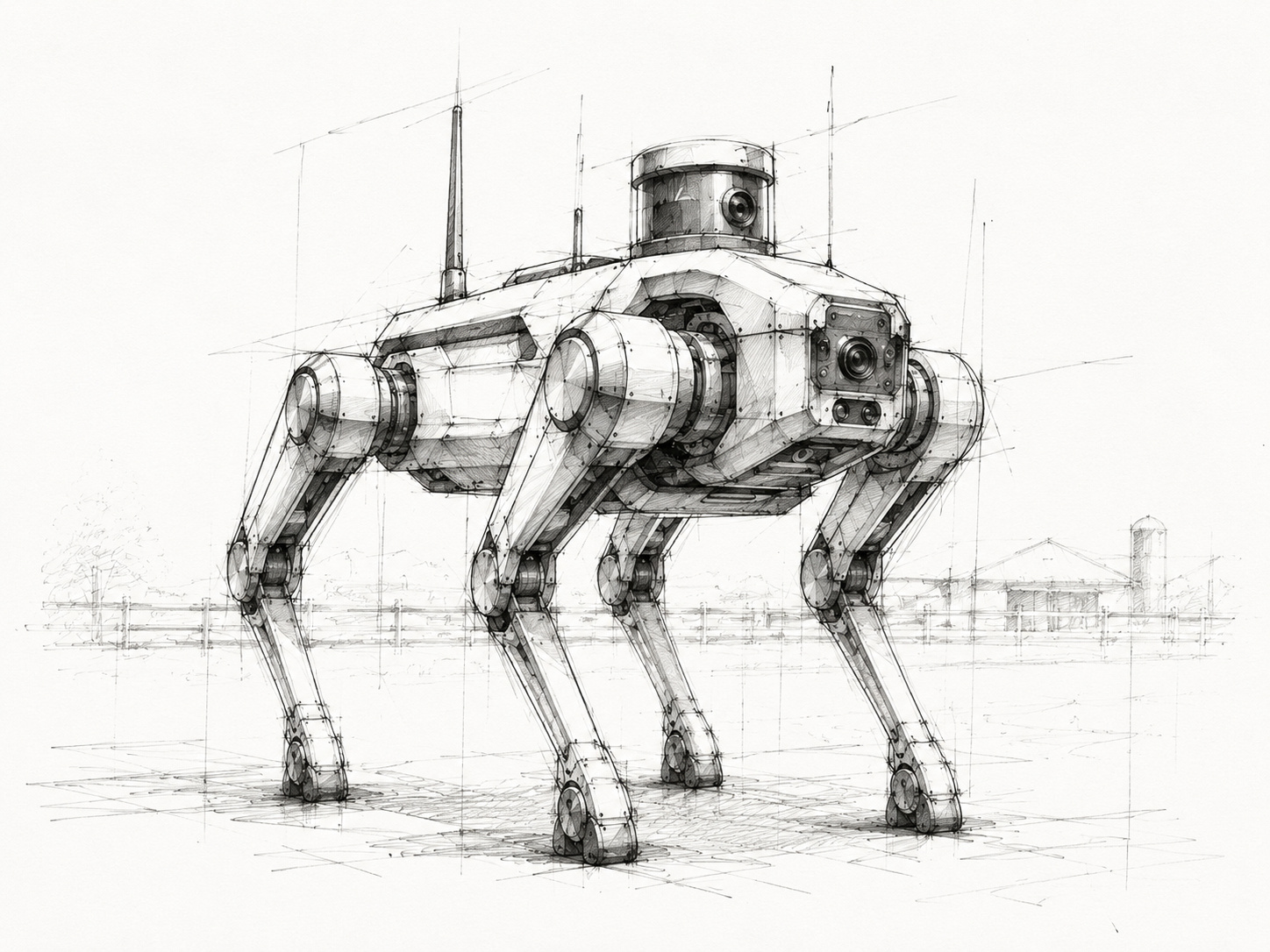
Observe
Nexa Vision
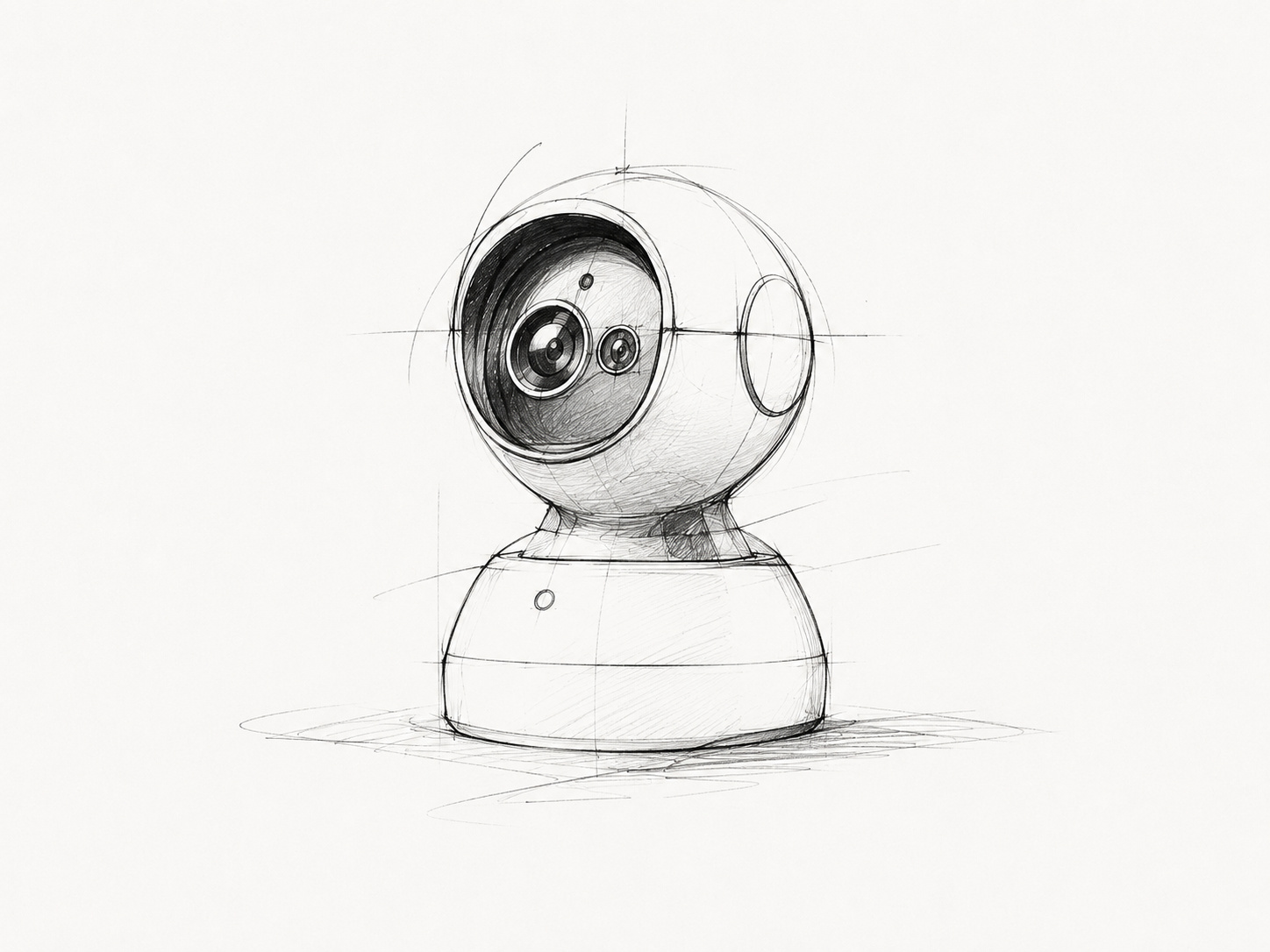
Visual perception of the environment and of inspected items, with clipping and identification.
Industrial operations generate far more events than any team can watch continuously. Convex builds the visual perception, mission coordination and physical execution layers, keeping a traceable record of every inspection and every action.
Visual inspection, equipment coordination and physical execution are distinct layers that rarely talk to each other. Convex develops them as one system, with perception, mission state and a traceable record of every event.
Continuous visual checking is tiring, subjective and hard to audit afterwards.
What was inspected, when, and with what result usually never lands in a queryable history.
Each machine has its own panel; the aggregate state of the operation exists nowhere.
Predictable routines consume operator time that could go to exceptions.
Lighting, positioning and dirt change perception, and must be handled by the model rather than the operator.
The same architecture runs across every sector. What changes is which layer is critical and which proprietary systems take part.
Visual perception of the environment and of inspected items, with clipping and identification.
Classification of what was observed and flagging of cases outside the expected pattern.
Mission state, equipment telemetry and task sequencing.
Physical execution of the decided task, returning state to the coordination layer.
Sources compatible with the systems deployed in this sector. No layer is assumed: every monitored area declares what is actually available.
Image streams positioned over the inspection point.
Captures bound to each inspection event and preserved for audit.
State, position and condition of the coordinated equipment.
Current step, task queue and result of each execution.
How observed events evolve across shifts.
Queryable record of what was inspected and executed.
Each application states the problem addressed, the data used, the Convex system involved and the operational output produced.
Manual checking that varies between operators.
The link between item, step and result gets lost.
Isolated panels with no aggregate state.
Operator time consumed by predictable tasks.
The camera records the point of interest at the moment defined by the mission.
Nexa Vision clips, identifies and classifies what was observed.
The result is compared against the expected pattern for that step.
Divergent cases raise an alert and enter the handling queue.
Synapse Control triggers the next step; where applicable, Axis executes physically.
Event, image and result stay on file for later audit.
Notification of events outside the expected pattern.
State and condition of coordinated equipment.
Auditable record of inspections and executions.
Period consolidation of observed events.
Link between item, step, image and result.
We separate what is in operation from what is still under development. Research and prototypes are never presented as deployed product.
Capture, clipping and classification of visual events.
Aggregate operation state and task sequencing.
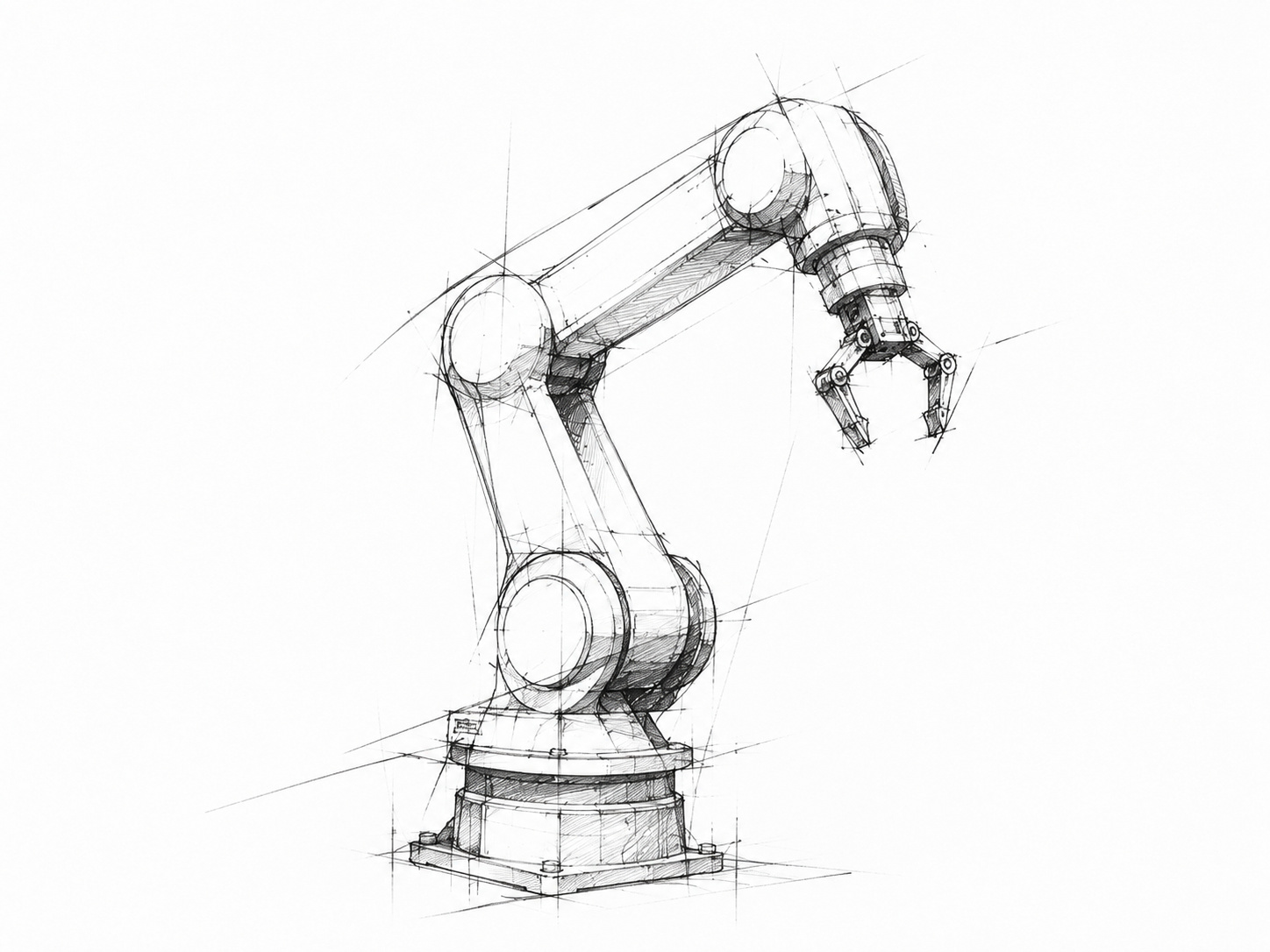
Robotic actuation integrated with the decision layer.
Integration with external systems where technically relevant to the project.
Visual inspection of parts and highly repetitive process steps.
Continuous in-line checking with a record requirement.
Small items and a high density of events per shift.
Visual identification and verification at the end of the line.